

Worrying about whether you child is falling behind at school is one of the most common concerns parents have.
Often, you might wait for a clear signal from school before acting. A low-test score. A comment at parents’ evening. A sudden drop in confidence or reluctance to talk about what they’re learning in school. But in KS2 (Year 3, 4, 5 & 6 in primary school), children can fall behind long before a teacher mentions it. By the time concerns are mentioned, small learning gaps may already be affecting confidence and enjoyment of learning.
You may not be seeing obvious red flags that your child is falling behind at school. School reports seem fine. There has been no urgent message from the teacher. And yet, something does not feel quite right.
Falling behind at school in KS2 doesn’t always look like failure
Many primary school children work incredibly hard to mask or hide their difficulties. They copy others, avoid asking questions, rush work or stay very quiet so their uncertainty isn’t noticed. From the outside, they may appear to be coping. On the inside, learning can feel like it’s becoming increasingly confusing, stressful and exhausting.
Parents are often the first to notice subtle changes, such as:
- Homework starts taking much longer than it used to
- Increased frustration, tears, or emotional reactions around school
- A drop in confidence or motivation
- Negative self-talk such as “I’m just not good at this” or “I can’t do it”
These are not signs of laziness or lack of effort. They are signs that learning is starting to feel harder than it should and that your child may need some support to get back on track.

Why small gaps matter so much in KS2
Learning in KS2 is cumulative. Skills and knowledge are built up over time and each new concept introduced builds upon previously secure foundations. If those the foundations are shaky, everything that comes next can feel far more difficult than it needs to be.
For example, a child unsure about place value will often struggle with written calculations. A child who is not confidence with sentence structure may find it hard to organise and express their ideas in writing. Over time, this can lead to feelings of overwhelm, avoidance or anxiety around school.
The longer gaps are left unaddressed, the more confidence can erode. Some children may begin to disengage, avoid schoolwork, or show changes in their behaviour.
The reassuring news is that these gaps are very common in KS2 and, when identified early, can usually be closed with the right support.
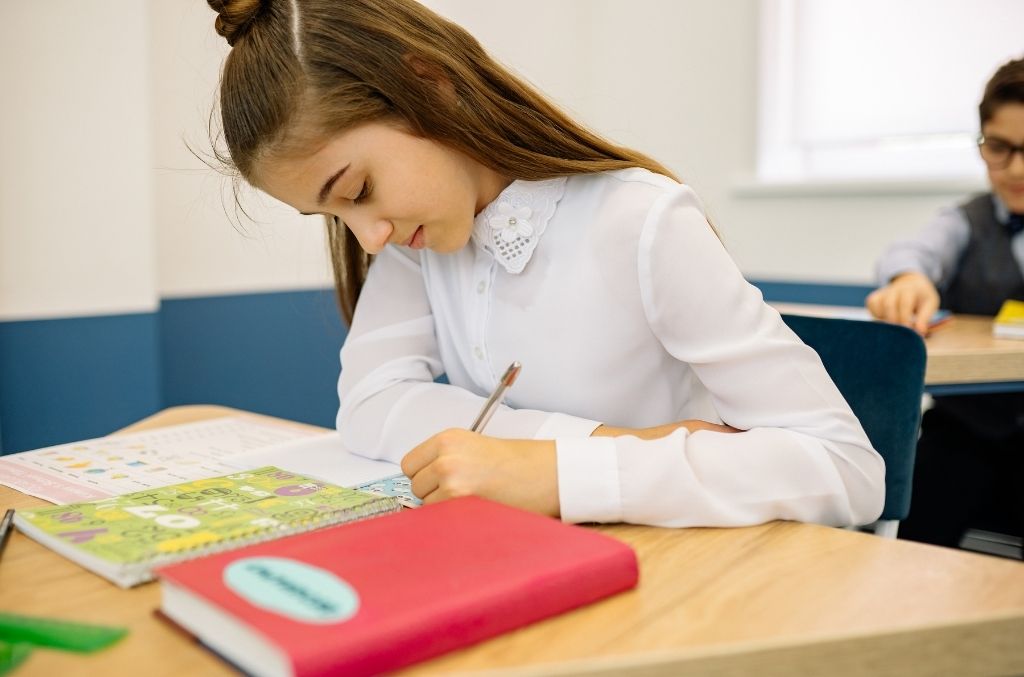
What parents can do next to support your child when their falling behind at school
Look beyond test scores and written work. Pay attention to how your child approaches learning.
Do they guess rather than explain their thinking? Do they freeze, rush, avoid tasks, or become easily upset? These behaviours often tell you far more than test results.
Choose a calm moment to talk with your child. Avoid doing this straight after school, when they are tired and need time to decompress. Instead, find a relaxed time and gently ask open questions such as:
• What was the hardest part of your day?
• Which subject feels the most confusing right now?
Reassure your child that needing help is a positive thing. Let them know that struggling does not mean they’re not capable, and that you will work together to find the right support.
It is also important to speak with your child’s class teacher. Teachers can offer valuable insight into what they see in the classroom and can suggest areas to focus on, support available in school, or strategies to try at home. Keeping communication open and specific is key.
Support at this stage might involve revisiting core skills, breaking learning into smaller manageable steps, or providing one to one support that moves at your child’s pace and rebuilds confidence.
When gaps are identified early and supported gently, children often relax. Learning stops feeling like a constant test of their ability and begins to feel more manageable again.
That sense of calm is often the biggest change of all.

Final thoughts for KS2 parents
If you are reading this and feeling a sense of recognition, trust your instincts. You do not need to wait for your child to be failing, distressed, or labelled as behind before taking action.
In KS2, small gaps are incredibly common. Children develop at different speeds, and even confident learners can experience wobbles as expectations increase.
Support at this stage is not about pressure or pushing harder. It is about strengthening foundations, rebuilding confidence, and helping your child feel capable again.
You know your child better than anyone else, so if something doesn’t feel quite right, that feeling is worth listening to.
How Teach Wessex can help
Sometimes, having an experienced professional look at where learning feels difficult can bring real clarity and reassurance. At Teach Wessex, we support KS2 children through calm, confidence building 1:1 online tuition that focuses on strengthening foundations and helping learning feel manageable again.
If you would like to talk through your child’s needs or explore whether extra support would be helpful, a short informal conversation can often be the first step towards moving forward with confidence.